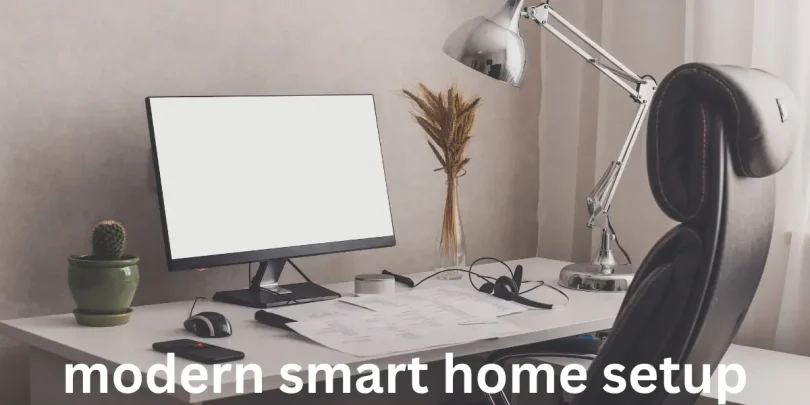

Technology has completely changed the way people interact with their homes, turning ordinary living spaces into environments that feel more convenient, secure, and efficient. From controlling lights with a voice command to managing home security remotely, connected living is becoming part of everyday life for modern families.
A modern smart home setup combines intelligent devices, automation, and seamless connectivity to create a home that adapts to daily routines while improving comfort, energy efficiency, and overall lifestyle convenience.
Understanding the Concept of a Smart Home
A smart home is a living space equipped with connected devices that communicate through the internet. These devices can be controlled using a phone, tablet, or voice commands. The goal is simple: make daily life easier, safer, and more efficient. At its core, it is not just about technology. It is about comfort, control, and personalization. Lights can adjust automatically, rooms can cool before you arrive, and security can be monitored from anywhere. Everything works together in the background to create a smoother lifestyle.
Automation is the real strength here. Instead of managing every device manually, routines can be created so the home reacts based on your habits and preferences. This creates an environment that feels natural and effortless every day.
Key Components of a Modern Smart Home Setup
Smart Lighting Systems
Smart lighting allows users to control brightness, colors, and schedules with ease. Lights can automatically switch on when someone enters a room or dim during the evening to create a relaxing atmosphere. These systems improve comfort while also helping reduce unnecessary energy usage.
Smart Speakers and Voice Assistants
Voice assistants act as the central control point for many connected homes. They allow users to control devices, set reminders, play music, check weather updates, and manage routines using simple voice commands. This level of convenience saves time and reduces the need for constant manual adjustments.
Smart Security Systems
Security has become one of the biggest reasons people invest in connected technology. Smart cameras, motion detectors, door sensors, and digital locks provide continuous monitoring and instant alerts. Homeowners can check live footage and manage access remotely, giving them peace of mind whether they are home or away.
Smart Thermostats
Smart thermostats automatically learn household temperature preferences and adjust accordingly. They maintain comfort while improving energy efficiency. Over time, these systems help reduce utility bills by avoiding unnecessary heating or cooling.
Smart Appliances
Modern appliances are becoming more intelligent every year. Refrigerators can track groceries, washing machines can be operated remotely, and ovens can preheat before you arrive home. These features simplify routines and improve overall convenience.
Planning Your Smart Home the Right Way

Creating a successful smart home starts with proper planning. Without structure, even advanced devices can feel disconnected and frustrating to manage. The first step is identifying your priorities. Some homeowners focus on security, while others want entertainment, convenience, or energy savings.
Compatibility is another important factor. Devices should work within the same ecosystem to avoid connection issues and improve automation. Choosing compatible products from the beginning makes future upgrades much easier.
Budget also matters. Many people assume connected homes require huge investments, but that is not true. Starting with a few essential devices and expanding gradually is often the smartest approach. This keeps the setup manageable and cost-effective.
Internet quality should never be ignored. A strong and stable Wi-Fi connection is the backbone of every smart home system. Poor connectivity can affect performance and create delays in automation.
Step-by-Step Guide to Building a Smart Home
Step 1: Choose a Central Hub
A smart speaker or hub acts as the brain of the entire system. It connects different devices and allows them to communicate smoothly. Starting with a central hub creates a solid foundation for future expansion.
Step 2: Install Smart Lighting
Lighting is usually the easiest starting point. Smart bulbs are simple to install and instantly improve convenience. Scheduled lighting also helps create a more comfortable atmosphere throughout the day.
Step 3: Add Security Features
Security devices such as smart cameras and motion sensors should be added early. These systems provide immediate benefits and improve overall household safety.
Step 4: Upgrade Temperature Control
Smart thermostats help maintain comfort while reducing energy waste. Automatic adjustments based on routines make the home feel more responsive and efficient.
Step 5: Expand Gradually
After establishing the basics, additional devices like smart curtains, plugs, entertainment systems, and kitchen appliances can be added over time. Expanding gradually prevents the system from becoming overwhelming.
Security and Privacy in Smart Homes
As homes become more connected, digital security becomes increasingly important. Every connected device represents a potential access point, which means proper protection is essential. Strong passwords should always be used, and devices should be updated regularly to maintain security.
Wi-Fi encryption is another important layer of protection. A secure network helps prevent unauthorized access and keeps personal information safer. Choosing trusted brands with reliable security systems also reduces long-term risks.
Privacy settings should be reviewed carefully as well. Many devices collect usage data to improve performance, but homeowners should understand what information is being shared and how it is being used.
Energy Efficiency and Cost Savings
One of the most attractive benefits of smart homes is improved energy efficiency. Intelligent systems reduce unnecessary energy consumption automatically. Lights switch off when rooms are empty, thermostats adjust based on occupancy, and appliances operate more efficiently.
These small improvements may seem minor individually, but together they can significantly reduce monthly utility costs. Over time, connected systems help homeowners save money while supporting a more environmentally conscious lifestyle.
Common Mistakes to Avoid
Many homeowners make the mistake of buying too many devices too quickly. This often creates confusion and leads to poor integration between systems. A gradual approach usually works much better.
Another common mistake is ignoring compatibility between products. Devices that cannot communicate properly reduce automation efficiency and create frustration. Checking compatibility before purchasing is essential.
Weak internet connectivity is also a major issue in many homes. Smart systems depend heavily on reliable internet performance. Without it, delays and connection failures become common.
Skipping software updates is another mistake people often make. Updates improve performance, fix bugs, and strengthen security protection.
How Smart Homes Are Changing Daily Life
Connected living is changing daily routines in ways that feel both practical and natural. Morning schedules become smoother when alarms, lighting, and coffee machines work together automatically. Evenings feel more relaxing when entertainment systems and lighting adjust to create the right atmosphere.
Families benefit from improved safety and convenience. Working professionals save valuable time throughout the day. Older adults gain more independence through voice control and automation.
A connected home becomes more than a place to live. It becomes an environment that actively supports everyday life and responds to personal habits.
You may also like these
Stunning Modern Home Decor Ideas That Instantly Transform Your Space
Powerful Living Room Decor Tips to Instantly Transform Your Space
Stunning Bedroom Decor Inspiration Ideas That Will Instantly Transform Your Space
Genius Budget Home Decor Ideas That Make Your Home Feel Luxurious
Stunning Aesthetic Home Decoration Ideas That Instantly Transform Your Space
The Future of Connected Living
The future of home technology is moving toward deeper automation and smarter decision-making. Systems are becoming more predictive, learning routines and responding with minimal input. Homes will soon adjust lighting, temperature, and energy usage automatically based on behavior patterns.
Artificial intelligence and advanced sensors will continue improving how devices interact with people. Future homes will feel more intuitive, efficient, and personalized than ever before. The focus will shift from simply controlling devices to creating living environments that adapt naturally to human needs.
Conclusion
Smart living is no longer limited to luxury homes or advanced technology enthusiasts. It has become a practical solution for improving comfort, safety, and efficiency in everyday life. With careful planning and gradual upgrades, homeowners can create systems that genuinely simplify routines and improve quality of living.
A thoughtfully designed modern smart home setup transforms ordinary living into a more connected, responsive, and convenient experience while preparing homes for the future of intelligent living.
FAQs
What is a modern smart home setup?
A modern smart home setup is a connected system of devices like lights, security, and appliances controlled through apps or voice assistants.
Is a smart home setup expensive?
Not necessarily. You can start small with affordable devices and expand your modern smart home setup over time.
What are the benefits of a smart home setup?
It improves convenience, energy efficiency, security, and overall lifestyle comfort.
Can I install a smart home system myself?
Yes, many devices are DIY-friendly and easy to integrate into a modern smart home setup.
Which devices are essential for beginners?
Smart lights, smart plugs, and a voice assistant are great starting points for a smart home setup.