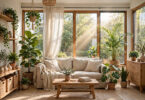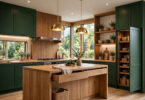


Biophilic interior design is the trend with the oldest roots of all: the simple idea that humans relax in spaces that remind us of the natural world. It goes far beyond putting a plant in the corner. Done properly, it shapes your light, your materials, your views, and even your floor plan, and the research behind it links nature-connected interiors to lower stress, better sleep, and sharper focus. The good news is that you do not need a renovation budget to start, only a series of deliberate choices.
Begin With Light, the Ingredient We Miss Most
Natural light is the foundation of biophilic interior design because our bodies run on it. Arrange your day around the brightest rooms: put the reading chair, the desk, and the breakfast table where the sun actually lands, instead of saving the best light for a rarely used guest room. Keep window treatments sheer or layered so you can soften glare without living in a cave, and place mirrors opposite windows to carry light deeper into the plan.
In the evening, mimic nature’s wind-down: warm, low, indirect light instead of a single harsh ceiling panel. This one habit supports sleep better than most expensive blackout gadgets, and it makes every material in the room look richer.
Plants, But Placed Like Design, Not Decoration
Yes, plants matter, but biophilic interior design treats them as architecture. Group them at different heights, floor, shelf, hanging, so the eye reads a landscape, not a row of pots. Put greenery where you actually look: beside the sofa, framing the window, softening the corner you see from your desk. A single large, healthy plant beats five struggling ones, so choose species that match your light and your honesty about watering.
Kitchens and bathrooms love plants too, and herbs on the sill add scent and usefulness. This nature-first direction is one of the strongest threads running through the kitchen interior design trends worth trying this year, where wood, stone, and greenery keep replacing cold, glossy surfaces.
Choose Materials Your Hands Believe
Nature communicates through touch as much as sight. Real wood with visible grain, linen and cotton instead of plastic-feel synthetics, stone, clay, jute, and cane all tell your nervous system “outdoors” in a language older than words. You do not need to replace everything. One wooden table, a set of linen curtains, a woven rug underfoot, each swaps a little sterility for a little landscape.
Colour follows the same logic: earthy neutrals, leaf greens, clay, sand, and water blues. In compact rooms these tones also happen to be forgiving and spacious, which is why they appear in so many small living room ideas that make compact spaces feel bigger. Nature’s palette is calm because it is never perfectly uniform; slight variation is the point.
Views, Air, and the Senses You Forget
If you have any view of sky, trees, or even a neighbour’s garden, frame it: keep that window uncluttered and aim a chair at it. If you do not, nature photography or botanical art genuinely helps, though it ranks below the real thing. Cross-ventilation matters too. Rooms that can open to fresh air feel alive in a way sealed, conditioned boxes never do, and a brief daily airing improves both mood and indoor air quality.
Do not forget sound and scent. A small tabletop fountain, wind chimes near a balcony door, beeswax candles, and fresh herbs all feed the senses that decorating usually ignores. Biophilic design is a whole-body brief, not a shopping list of plants.
A Practical Room-by-Room Starting Plan
Start where you spend waking hours. Living room: move one seat into the light, add one substantial plant grouping, swap one synthetic textile for a natural fibre. Bedroom: blackout layered with sheers, warm evening light, wooden or upholstered textures, and no screens glowing like noon at midnight. Bathroom: a humidity-loving plant, wooden bath mat, and stone or pebble accessories turn the most functional room into the most restorative one.
Then stop and live with it for a month. Notice what your body reports: better sleep, calmer evenings, a corner everyone fights over. Let that feedback, not a trend list, choose your next step.
Common Mistakes to Avoid
The most common failure is treating biophilic interior design as a shopping exercise: twenty small plants bought in one weekend, half of them dead by the next season because nobody matched them to the light. Buy slowly, learn each plant, and let the collection grow at the speed of your competence. The second mistake is faking it with plastic greenery everywhere. A little quality faux planting in a dark corner is forgivable, but a home that smells of nothing and changes with no season fools nobody’s nervous system.
The third mistake is forgetting maintenance. Natural materials ask for small, regular care, oiling wood, airing rooms, pruning and dusting leaves, and in return they age gracefully instead of peeling and warping. Build five minutes of that care into your week and the design stays alive, literally, rather than slowly turning into another set of objects to apologise for.
Renters and small budgets are not excluded from this approach. Light, plants in portable pots, natural-fibre throws, and a wooden stool are all removable and reusable in the next home, and they deliver most of the effect for a fraction of a renovation. What you cannot take with you, paint and built-ins, can wait. Begin with the portable layer and you will learn what your household actually enjoys before spending on anything permanent, which is the wisest order for any design direction, natural or otherwise.
Conclusion
Biophilic interior design is not a style to copy from photos; it is a relationship to rebuild between your home and the natural world your body expects. Chase real light first, place plants like architecture, choose materials your hands trust, and feed every sense, not just the eyes. Room by room, your home becomes calmer, healthier, and quietly more beautiful, and unlike most trends, this one will never go out of date.